The big day started with rain and dense fog between the ridges of the mountains. Not too promising to visit the Peruvian highlight -Machu Picchu- of the trip.

Started the day with hiking up to Huayna Picchulocated 300 m above the ruins of Machu Picchu.
The entrance to Huayna Picchu (within the citadel) is restricted to 400 visitors per day, in two allocated time slots at 7am and 10am. We took the 7am slot, which turned out not being the best decision. What a nice view....

Machu Picchu in the background
Machu Pikchu (Quechua machu old, old person, pikchu peak); mountain or prominence with a broad base which ends in sharp peaks, "old peak", is a 15th-century Inca site located 2,430 metres above sea level.


At the end we had a nice day up the there, with some moments of clear weather and happy to go back to village in the vallley to have a nice lunch.
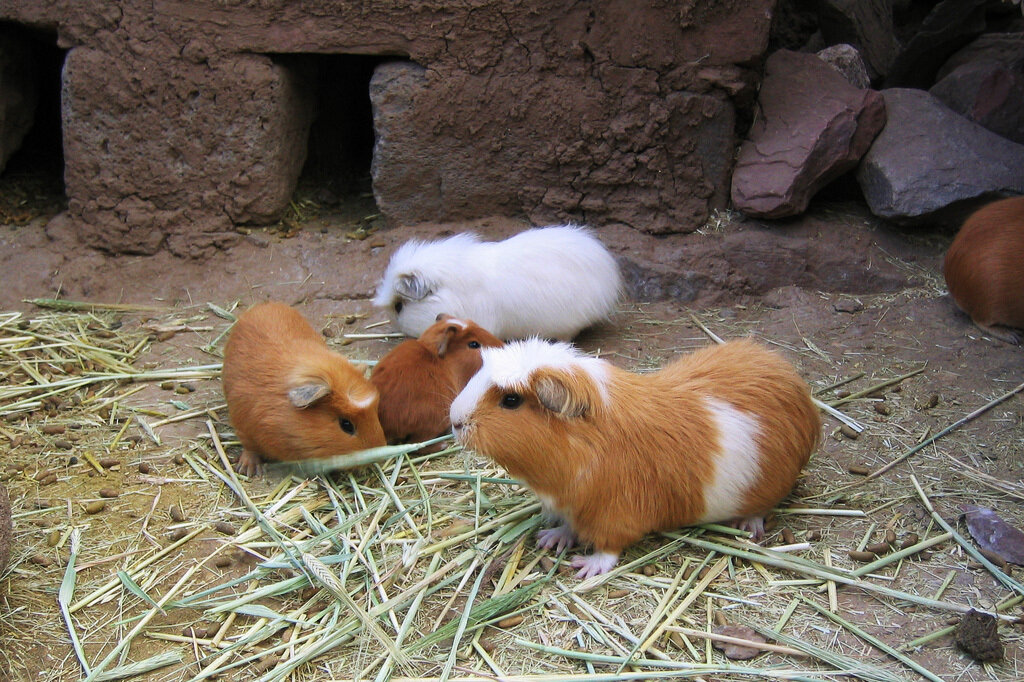
One of the Andean region's most popular sources of meat is guniea pig, which was domesticated already before the colonial times.

According to activists, eating guinea pig is good for the environment. "Matt Miller, an Idaho-based science writer with The Nature Conservancy, says rodents and other small livestock represent a low-impact meat alternative to carbon-costly beef. Miller, who is writing a book about the ecological benefits of eating unconventional meats, visited Colombia several years ago. At the time, he says, conservation groups were expressing concern about local ranchers clearing forest to provide pasture for their cattle -activity that was causing erosion and water pollution.
"They were encouraging people to switch from cattle to guinea pigs," Miller says. "Guinea pigs don't require the land that cattle do. They can be kept in backyards, or in your home. They're docile and easy to raise." I did it for the environment.

click here


No comments:
Post a Comment